 |
 |
 |
|---|

 |
 |
|---|
 |
|
|---|---|
 |
 |
|
|
 |
|
|
|
 |
|
|
|
 |
|
|
|
 |
|
|
|
 |
|
|
|
 |
|
|
|
 |
 |
|---|
Exploring the Fascinating World of DNA Kit Family TreesIn recent years, the surge in popularity of DNA testing kits has opened up a new realm of possibilities for individuals curious about their ancestry and familial connections. These kits, which are now readily available to consumers, offer a window into one's genetic past, unraveling the complex tapestry of heritage and lineage. With a simple swab of saliva or a cheek sample, the science behind these kits can unveil a wealth of information about one’s ancestral origins, helping to construct a detailed family tree that connects the dots between past and present generations. This burgeoning trend has captivated the attention of millions, offering an intriguing blend of modern science and personal history that is hard to resist. One of the key features of DNA kit family trees is their ability to provide insights into ethnic composition. Many users are fascinated by the discovery of diverse ethnic backgrounds that they may not have been aware of. By breaking down an individual's genetic makeup into percentages, these kits reveal the rich mosaic of ancestral origins, often highlighting unexpected ethnicities that add new dimensions to one's identity. Moreover, they offer a profound sense of connection to the global human family, illustrating how interconnected we all truly are. Another highlight of these DNA kits is their capacity to connect people with previously unknown relatives. Through vast databases of genetic information, individuals can identify potential relatives based on shared DNA segments. This feature has led to countless heartwarming reunions and the discovery of long-lost family members. However, it's important to approach these connections with an open mind, as the results can sometimes bring surprising revelations that challenge one's understanding of family history. While the benefits of DNA kit family trees are numerous, there are also considerations to keep in mind. Privacy concerns are paramount, as the sharing of genetic information involves sensitive data that must be handled with care. It's crucial for users to understand the terms of service and privacy policies of the companies providing these kits to ensure that their genetic data is protected. Additionally, the interpretation of DNA results requires a degree of caution, as the science, while advanced, is not infallible and can sometimes lead to misinterpretations or inaccuracies. Despite these considerations, the allure of DNA kit family trees is undeniable. They offer a unique opportunity to explore one's roots, uncover hidden stories, and forge new connections. For those with a thirst for knowledge about their past, these kits provide a pathway to a deeper understanding of one's heritage. They serve as a reminder of the intricate web of human history and the shared experiences that bind us all. In conclusion, DNA kit family trees represent a fascinating intersection of science, history, and personal discovery. As technology continues to advance, the potential for these kits to provide even more detailed and accurate insights into our ancestry will only grow. For now, they remain a captivating tool for anyone interested in uncovering the mysteries of their genetic past and exploring the rich tapestry of their family tree. https://www.familytreedna.com/products/single-tests?srsltid=AfmBOorJhglfWf8c_tcIVMi_izeueZ3kY7USTcePD8LNrILc_m1hnQx7
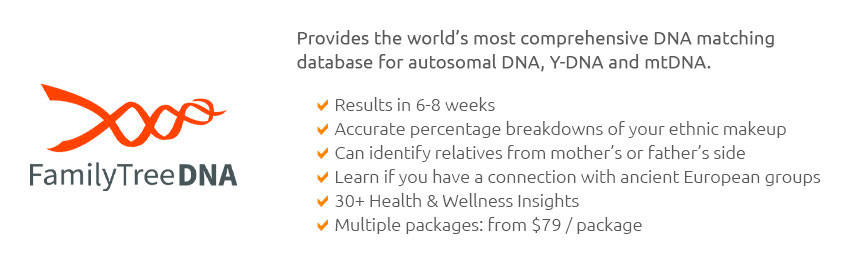
Family Ancestry Test - Family Finder - $79 ... https://www.familytreedna.com/?srsltid=AfmBOooG9Ffo1Yv0CpISe441x7GS5skucw3yVfMqq2gNn5B8rINm_dGo
Learn about your personal history and follow the path of your ancestors with FamilyTreeDNA's industry-leading tests. https://www.23andme.com/dna-ancestry/?srsltid=AfmBOorxa9oCpwLIILddJp_ppMZGO4iwSZ22h7bv4BRtXvlYf6Lca0mu
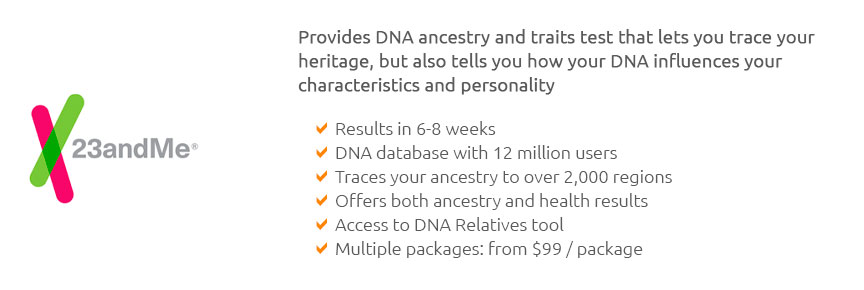
The 23andMe Ancestry DNA testing service offers ancestry breakdowns across 3500+ geographic regions plus insight into your heritage, relatives and more.
|
|---|

